EMAIL: info@rubbercleaningballs.com
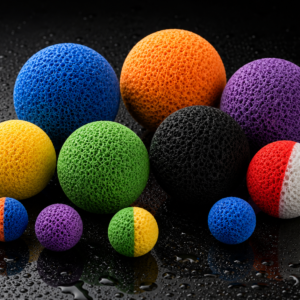
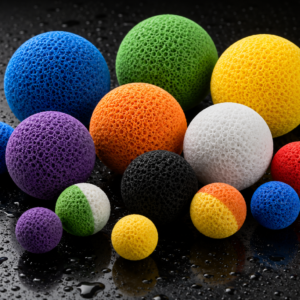
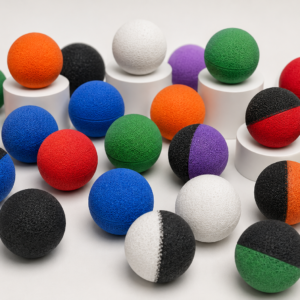
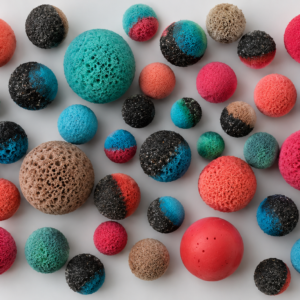
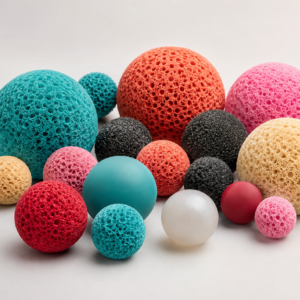
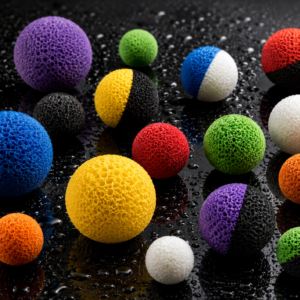
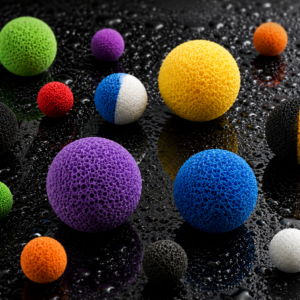
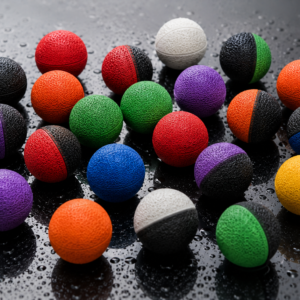
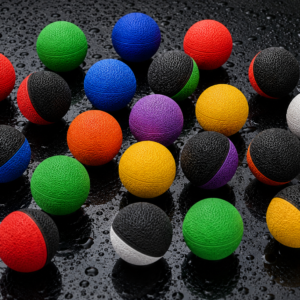
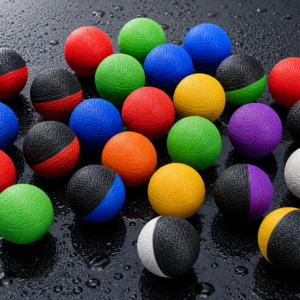
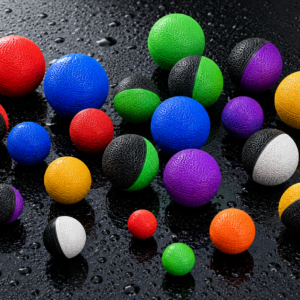
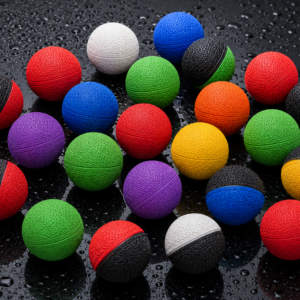
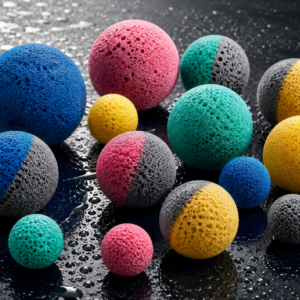
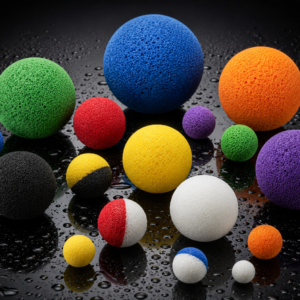
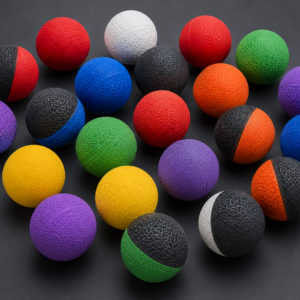
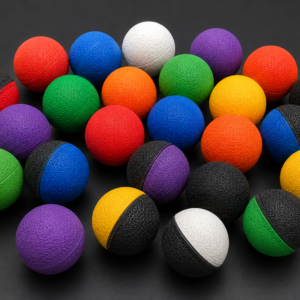
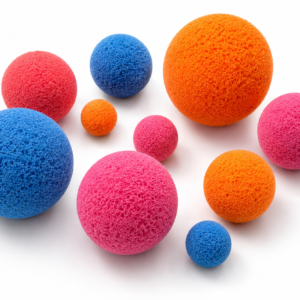
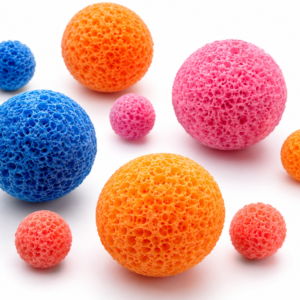
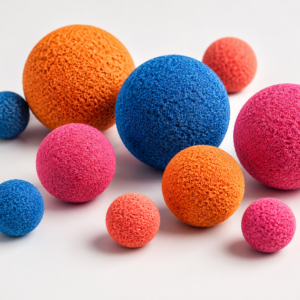
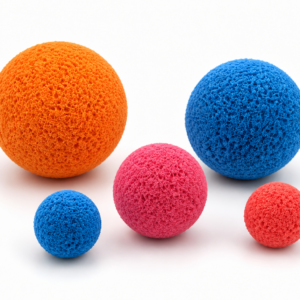
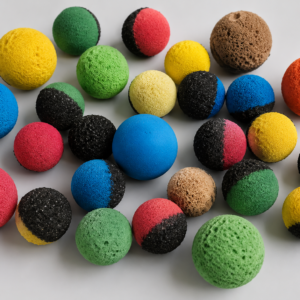
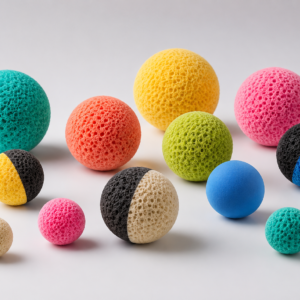
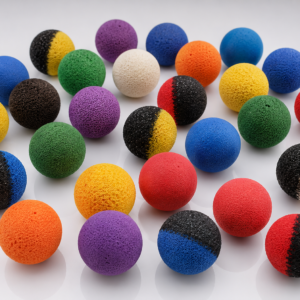
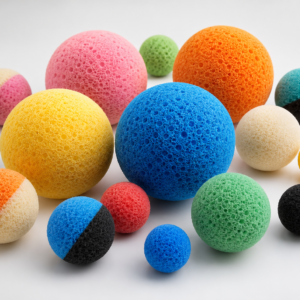

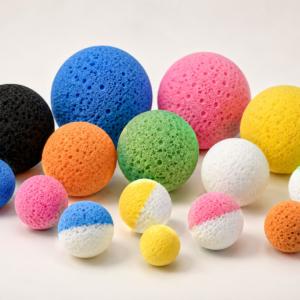
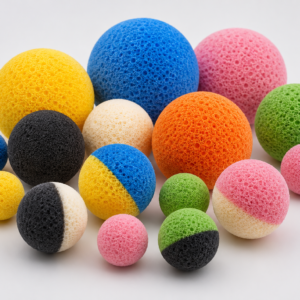
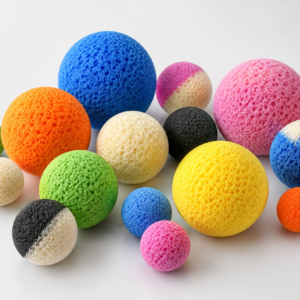
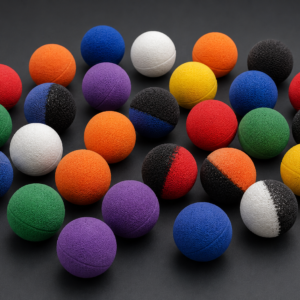
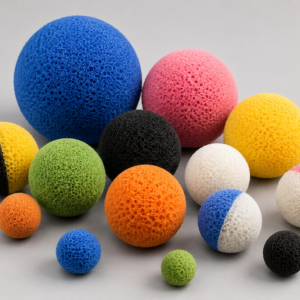
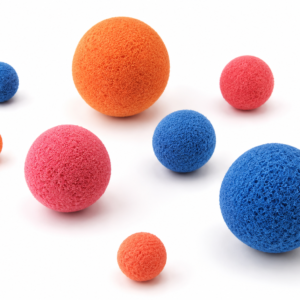
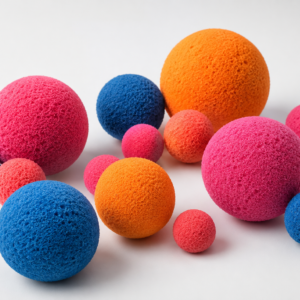
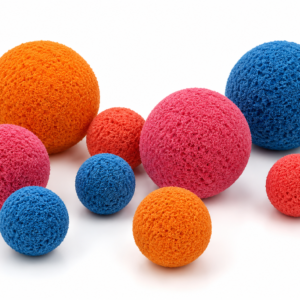
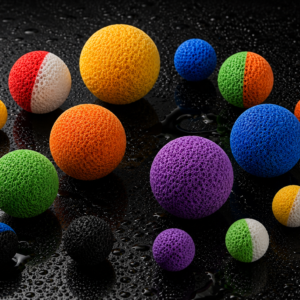
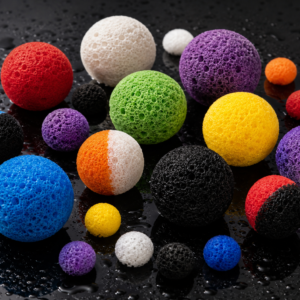
Not every tube cleaning application needs the same ball. Some systems run continuously and need a ball that lasts. Some handle aggressive chemicals that destroy standard rubber. Some operate at temperatures where natural rubber hardens and fails. This category groups our cleaning balls by their defining performance characteristic, so you can match the ball to the condition rather than searching by material or name.
| Performance Type | Key Condition | Recommended Product |
| High cycle count, continuous online system | Ball wears out too quickly | Wear-Resistant Cleaning Balls |
| Hard mineral scale, heavy fouling | Standard balls can’t remove scale | Heavy Duty Abrasive Cleaning Balls |
| High pressure, large-diameter tubes | Ball deforms or loses wall contact | Heavy Duty Cleaning Balls |
| Operating temperature above 80°C | Standard rubber hardens or deforms | High Temperature Cleaning Balls |
| Acids, alkalis, solvents, hydrocarbons | Standard rubber swells or degrades | Chemical Resistant Cleaning Balls |
High-cycle continuous online cleaning systems circulate balls through tube bundles thousands of times per day. Standard sponge or rubber balls are not designed for this duty and wear down within days or weeks. Wear-resistant cleaning balls in polyurethane or reinforced rubber compounds hold their diameter and surface integrity across far more cycles, reducing replacement frequency and total operating cost.
Light to moderate fouling responds to standard rubber or sponge cleaning balls. When scale has hardened, calcium carbonate, sulfate deposits, or compacted biological fouling, standard balls simply polish the surface without removing the deposit. Heavy duty abrasive cleaning balls carry a bonded corundum or silicon carbide grit layer that cuts through hard scale in a way that smooth-surface balls cannot.
Standard cleaning balls are sized for typical heat exchanger and condenser tube dimensions. In high-pressure pipelines or large-diameter tubes above 50mm, standard balls may deform under the driving pressure or lose wall contact in the larger bore. Heavy duty cleaning balls use high-density construction to maintain shape and wall contact pressure under these more demanding physical conditions.
Natural rubber hardens progressively above 80°C and loses the elasticity that keeps it in contact with the tube wall. In steam heat exchangers, high-temperature process coolers, and reboilers, this means degraded cleaning performance and risk of ball jamming. High temperature cleaning balls in EPDM or silicone maintain their elastic properties at continuous operating temperatures up to 150–200°C.
Standard natural rubber is incompatible with many industrial chemicals. Contact with acids, alkalis, solvents, or hydrocarbons causes swelling, cracking, or dissolution, contaminating the system and leaving the tubes uncleaned. Chemical resistant cleaning balls are formulated in EPDM, NBR, fluorosilicone, or PTFE-coated compounds matched to your specific chemical environment.
Yes in some cases. For example, EPDM high temperature balls also offer good resistance to dilute acids and steam, covering both high temperature and mild chemical resistance in a single material. Fluorosilicone covers both high temperature and broad chemical resistance. When your system has two or more performance demands, tell us both when requesting a quote and we will recommend the material that covers all requirements.
The most common signs are: balls wearing out faster than expected (wrong hardness or material for the cycle rate), visible ball swelling or cracking after use (chemical incompatibility), reduced cleaning effectiveness over time without visible wear (ball hardening due to temperature), or balls jamming inside tubes (dimensional instability from heat or chemical degradation).
Wear-resistant and high temperature balls typically cost more per unit than standard rubber balls, but the total cost over a cleaning campaign is usually lower because they last longer and require fewer replacements. For abrasive types, the cost per ball is higher but the number of passes required is far lower than standard balls for the same fouling removal result.
Yes. If your facility runs multiple heat exchangers with different operating conditions, we can supply different performance grades in a single order. Specify tube diameter, operating temperature, fluid type, and cycle frequency for each application and we will quote accordingly.
MOQ is 1,000 pieces per specification. Mixed specifications within a single order are acceptable subject to minimum quantities per line item. Contact us at info@rubbercleaningballs.com for multi-specification orders.