EMAIL: info@rubbercleaningballs.com
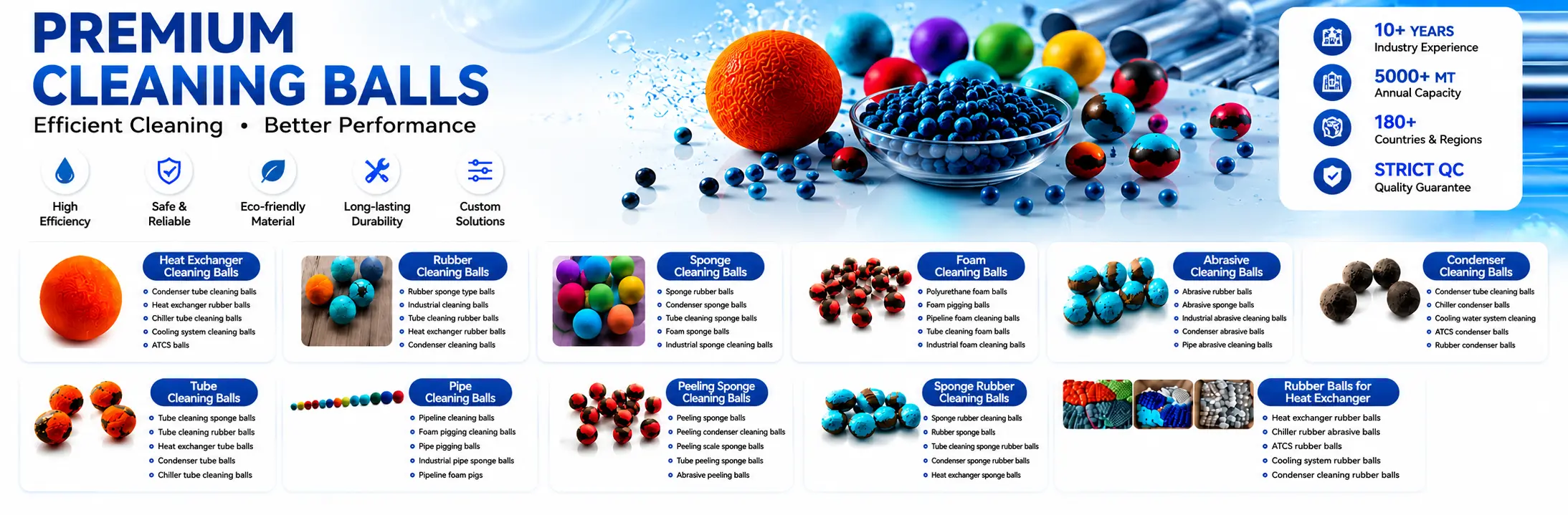
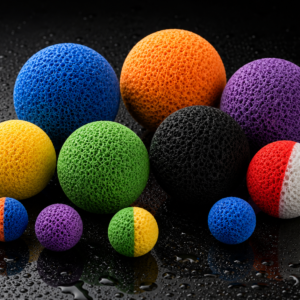
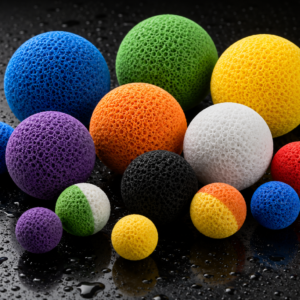
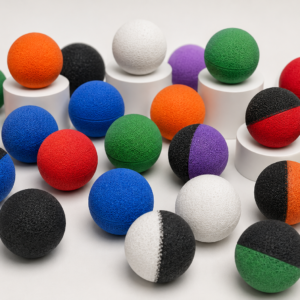
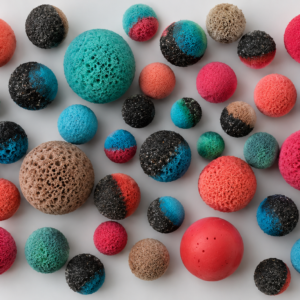
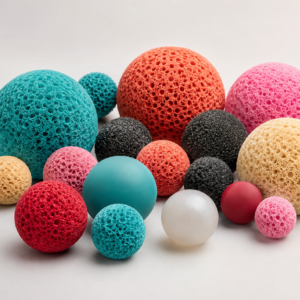
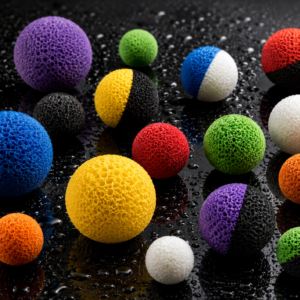
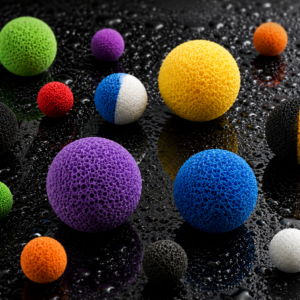
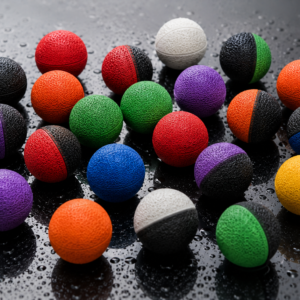
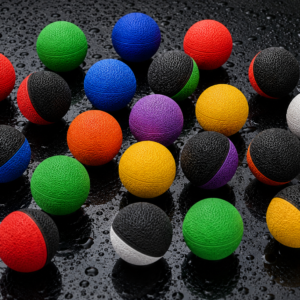
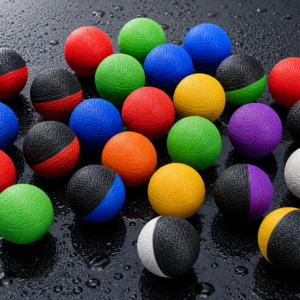
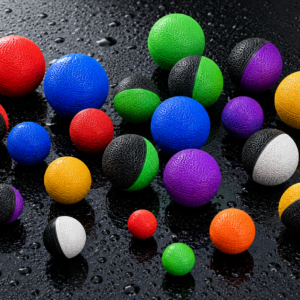
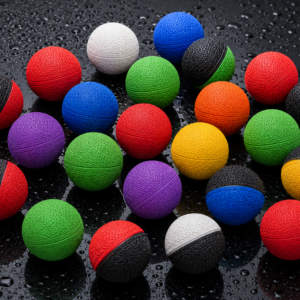
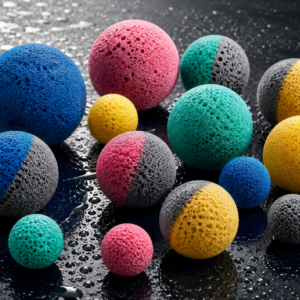
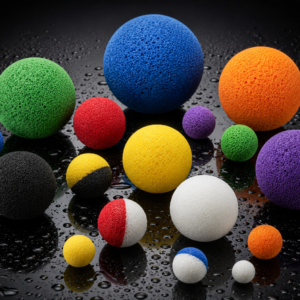
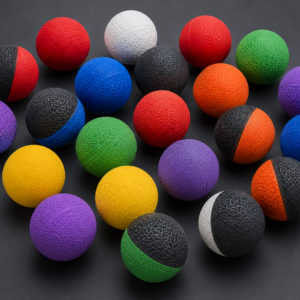
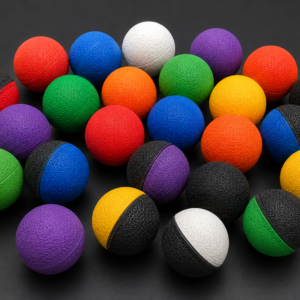
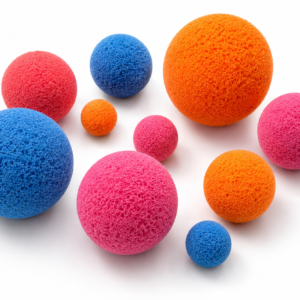
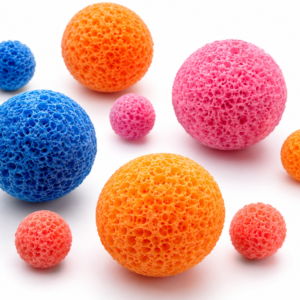
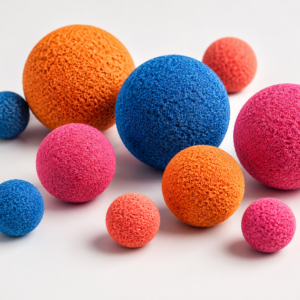
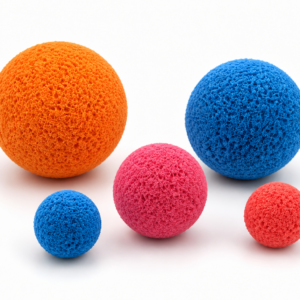
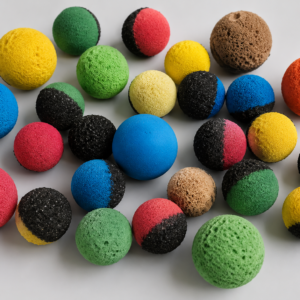
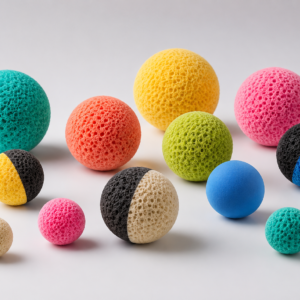
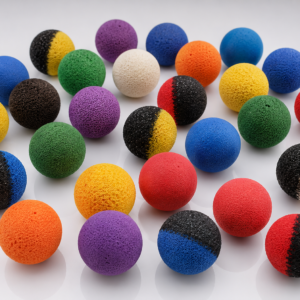
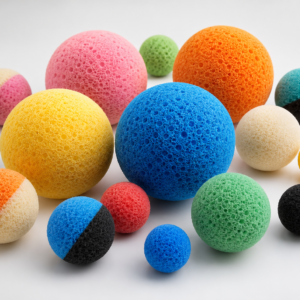

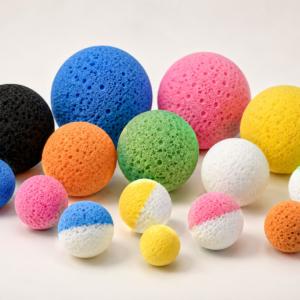
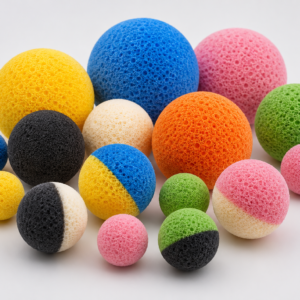
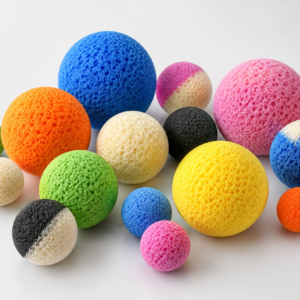
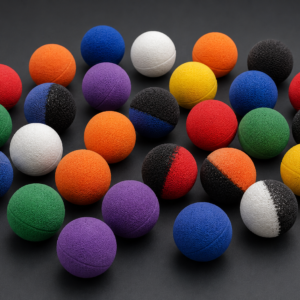
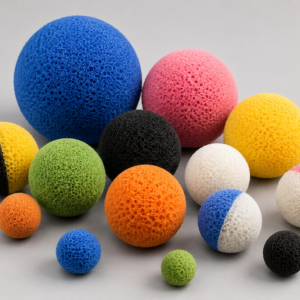
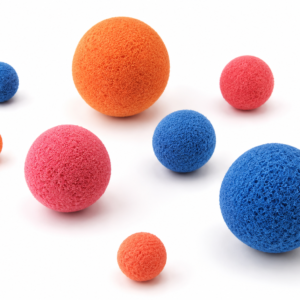
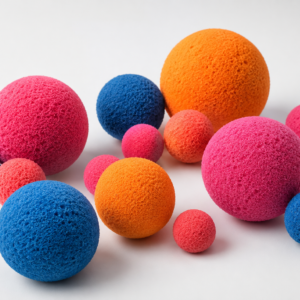
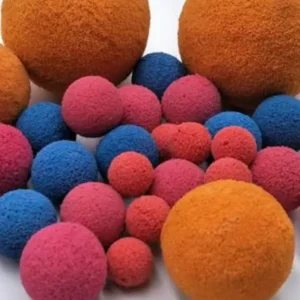
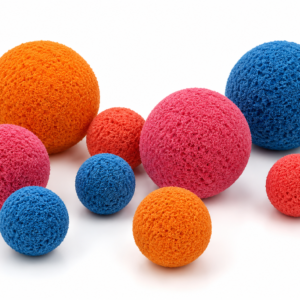
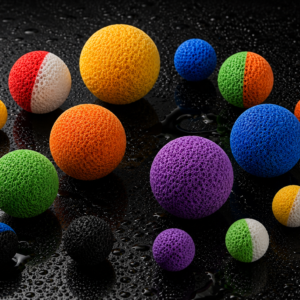
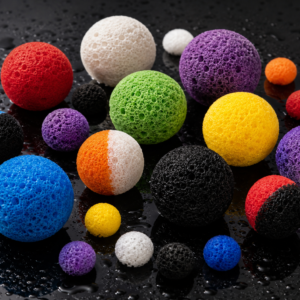
Tube cleaning balls are made from a range of materials, each suited to different fouling levels, tube materials, and system operating conditions. This category organizes our full range by construction type, so you can compare sponge, rubber, foam, abrasive, and hybrid options side by side and select the right ball for your tube material, fouling type, and system design.
Tube cleaning balls are elastic spheres, made from rubber, sponge, or foam, designed to pass through heat exchanger tubes, condenser tubes, and industrial pipelines. As they travel through the tube, they scrub the inner walls and prevent scale, biofilm, and fouling from building up.
The right cleaning ball depends on your tube material, tube inner diameter, fouling type, and whether you’re using a continuous online system or manual cleaning. This page covers all 12 types we manufacture, use the guide below to find yours.
Standard rubber cleaning balls are the baseline choice for most tube cleaning applications. Made from natural or synthetic rubber, they work with a wide range of tube diameters and deliver consistent mechanical scrubbing.
→ View Rubber Cleaning Balls
Sponge cleaning balls are soft, compressible, and ideal for gentle daily cleaning in heat exchangers and condensers. Their porous structure conforms to the tube wall for full-contact wiping without scratching.
→ View Sponge Cleaning Balls
A hybrid of sponge and rubber construction, sponge rubber balls combine flexibility with durability. They’re commonly used in systems with variable water quality where both softness and resilience are needed.
→ View Sponge Rubber Balls
Foam cleaning balls are lighter and softer than standard sponge types. Best suited for low-pressure systems or tubes where minimal mechanical force is preferred. They provide effective soft-layer removal without tube wall stress.
→ View Foam Cleaning Balls
A general-purpose category covering cleaning balls optimized for straight tube runs in heat exchangers and industrial pipelines. Available in multiple diameters to match your tube ID precisely.
→ View Tube Cleaning Balls
Designed specifically for surface condenser tubes in power plants and HVAC systems. Condenser cleaning balls maintain heat transfer efficiency by preventing calcium carbonate and biological scale from forming inside condenser tubes.
→ View Condenser Cleaning Balls
A precision variant engineered for continuous online condenser tube cleaning systems (compatible with TAPROGGE and similar circulation systems). Ball diameter is matched to 1–2mm oversized versus tube ID for optimal contact pressure.
→ View Condenser Tube Cleaning Balls
Heat exchanger cleaning balls are used in shell-and-tube heat exchangers across chemical, pharmaceutical, and power generation industries. Regular use maintains thermal efficiency and extends equipment service life.
→ View Heat Exchanger Cleaning Balls
These are specifically formulated rubber balls for heat exchanger online cleaning circuits. Higher rubber density compared to standard sponge types, built for systems where ball durability and cycle count matter.
→ View Rubber Balls for Heat Exchanger
Pipe cleaning balls are used in water distribution lines, industrial process pipelines, and drainage systems. Slightly firmer construction than heat exchanger types to handle longer tube runs and higher differential pressures.
→ View Pipe Cleaning Balls
When soft sponge isn’t enough, abrasive cleaning balls provide mechanical abrasion to remove hard mineral deposits, rust, or stubborn biological fouling. The abrasive outer layer aggressively scrubs while the inner rubber core maintains shape and elasticity.
→ View Abrasive Cleaning Balls
Peeling sponge cleaning balls are designed for heavy fouling situations where a sacrificial outer layer is acceptable. The outer surface peels away during cleaning, exposing a fresh abrasive layer, ideal for one-time deep cleaning or system commissioning.
→ View Peeling Sponge Cleaning Balls
| Fouling Type | Recommended Ball |
| Light scale / soft deposits | Sponge Cleaning Balls, Foam Cleaning Balls |
| Moderate mineral scale | Rubber Cleaning Balls, Tube Cleaning Balls |
| Hard calcium / heavy scale | Abrasive Cleaning Balls |
| Heavy biological + scale | Peeling Sponge Cleaning Balls |
| Application | Recommended Ball |
| Surface condenser (power plant) | Condenser Cleaning Balls, Condenser Tube Cleaning Balls |
| Shell-and-tube heat exchanger | Heat Exchanger Cleaning Balls, Rubber Balls for Heat Exchanger |
| Industrial pipeline | Pipe Cleaning Balls |
| General tube cleaning | Rubber Cleaning Balls, Sponge Rubber Balls |
Not sure which type fits your system? Browse our Cleaning Balls by Performance or Cleaning Balls by Application categories for further guidance.
Cleaning balls are typically sized 1–2mm larger than the tube inner diameter (ID). This slight oversizing creates the contact pressure needed for effective scrubbing. Always measure your tube ID before ordering.
Yes. Sponge cleaning balls, condenser tube cleaning balls, and rubber balls for heat exchangers are all compatible with continuous ball circulation systems (such as TAPROGGE). The ball is recirculated automatically through the tube bundle without shutting down the system.
Sponge balls are softer and more compressible, better for gentle daily maintenance and tubes sensitive to abrasion. Rubber balls are firmer and more durable, better for higher flow rates, longer service life, and systems requiring consistent mechanical scrubbing pressure.
Service life depends on ball type, water quality, and system flow rate. Standard sponge balls typically last 3–6 months in continuous circulation. Abrasive and peeling types have a shorter life by design. Check balls regularly for deformation, surface wear, or loss of elasticity.
Yes. We manufacture cleaning balls in custom diameters to match non-standard tube IDs. Contact us with your tube specifications for a custom quote.